
TCM Guide to Postpartum Body Changes & Recovery
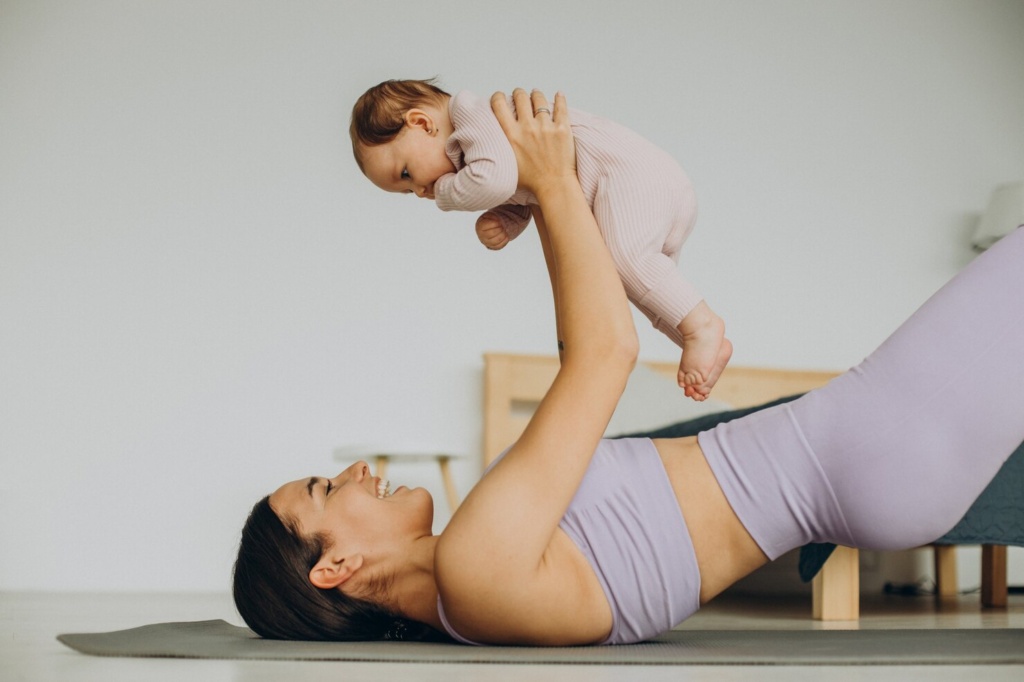
You are researching postpartum physiotherapy singapore for your aching pelvis, but your mother keeps insisting on TCM instead. You are exhausted, confused, and honestly just want someone to tell you what actually works. After a decade of helping Singaporean mums navigate the clash between Western recovery advice and traditional Chinese medicine, I have seen how TCM postpartum recovery Singapore can be a gentle, powerful ally – when done correctly. This guide walks you through what changes in your body after birth, how TCM explains those changes, and which traditional chinese medicine confinement Singapore practices are worth your time and energy.
What TCM Says About Your Postpartum Body
In TCM, childbirth depletes your body of two vital energies: Qi (your life force) and Blood. You also lose a lot of Jing, which is your deep constitutional essence. That is why you feel completely drained, not just tired. The body after childbirth is considered “open” and vulnerable to cold, wind, and dampness. That is why your grandmother warns you against cold drinks and air conditioning.
But here is what TCM does well. It recognises that body changes after childbirth TCM practitioners have observed for centuries are real: loosened joints, poor circulation, hair loss, digestive weakness, and emotional instability. A 2019 review in the Chinese Journal of Integrative Medicine found that TCM approaches, including herbal soups and acupuncture, can significantly improve postpartum recovery markers when combined with modern care.
The key is understanding that TCM body recovery after childbirth is not about rejecting Western medicine. It is about adding tools that address what your obstetrician might overlook, like your energy levels, your digestion, and your body temperature regulation.
The Biggest Misunderstanding About Confinement
Let me clear something up. Many mums think TCM confinement means sitting in a non-air-conditioned room, not showering for a month, and drinking bitter herbs until they gag. That is not traditional. That is fear based exaggeration.
Real Chinese confinement practices Singapore focus on warming, nourishing, and resting. You can shower with herbal water. You can use air conditioning at 24 to 26 degrees, just avoid direct drafts. And you should never force down herbs that make you vomit a good TCM physician will adjust the formula to your individual constitution.
The pain point most mums face is the guilt. You want to follow tradition to please your elders, but you also want evidence based recovery. I have seen women cry over a glass of iced water because their mother in law told them it would ruin their uterus. That is not healing. That is anxiety.
According to the TCM clinic at Thomson Medical Centre, the first 40 days postpartum are considered the golden period for restoring your body. But the emphasis should be on gentle care, not punishment. So let go of the all-or-nothing mindset. You can pick the practices that serve you.
What TCM Recommends for Each Stage of Recovery
Here is a practical breakdown of TCM diet after delivery Singapore and other practices, organised by week. Every mum is different, but this is the general framework used by many local TCM physicians.
Week one: Focus on expelling lochia and reducing swelling.
Avoid heavy tonics and blood building herbs like dang gui. Instead, drink red date and longan tea. Eat plain porridge with lean pork. Use ginger in cooking but not excessively. No fish or chicken yet. Rest completely.
Week two: Start nourishing blood and Qi.
Introduce black chicken soup with small amounts of dang gui and astragalus. Add fish like threadfin or pomfret. Continue avoiding raw and cold foods. You can start gentle postnatal TCM therapy Singapore like acupressure or moxibustion on your lower back and abdomen.
Week three and four: Build energy and strengthen bones.
This is when TCM herbs for postpartum healing like cordyceps, ginseng, and deer antler may be introduced, but only if your lochia has stopped and you have no inflammation. Add collagen rich soups with pork trotters or fish head. You can also begin TCM postpartum massage benefits to improve circulation and break down adhesions.
Week five and six: Restore kidney and liver function.
Kidney health is crucial for hair, bones, and reproductive health. Eat black sesame, walnuts, and goji berries. Continue gentle exercise like walking. Some mums also use herbal baths made with lemongrass and guava leaves to ease joint pain.
A qualified TCM practitioner will adjust these recommendations based on whether you had a natural birth or C section, and whether you are breastfeeding. Never self prescribe strong herbs.
Read More: https://tinycareapp.com/2026/03/29/confinement-nanny-cost-in-singapore/
Things No TCM Book Tells You
Here is the insider knowledge that matters more than any herbal formula.
First, TCM postpartum massage benefits are real, but only if done by someone trained. A proper jamu or TCM postpartum massage focuses on womb involution, not just relaxation. Avoid masseuses who press too hard on your abdomen before week two. And never let anyone massage your legs if you have signs of deep vein thrombosis.
Second, do not ignore your emotions. In TCM, unresolved sadness or anger stagnates Qi and Blood, delaying physical recovery. If you feel stuck, tearful, or resentful, address it. Cry, talk to a friend, see a therapist. That is part of TCM healing too.
Third, your C section scar can be treated with TCM after six weeks. Herbal plasters and acupuncture around the scar can reduce adhesions and numbness. Many mums do not know this and suffer with tightness for years.
And here is my honest opinion. The obsession with “doing confinement perfectly” is sabotaging more women than it helps. You will not fail your baby if you eat a cold apple. You will not ruin your body if you step outside for five minutes. TCM healing for new mothers Singapore is about restoration, not perfection. Give yourself permission to adapt.
How TinyCare Supports Your TCM Recovery Journey
You do not have to figure out TCM alone while also managing nappy changes and night feeds. TinyCare connects you with verified TCM physicians, postpartum massage therapists, and confinement nannies who understand both traditional practices and modern safety. You can search for practitioners who offer postnatal TCM therapy Singapore with home visit options, read reviews from other local mums, and book trial sessions.
When you need postpartum physiotherapy singapore for specific muscle or pelvic issues, TinyCare can help you find that too. Because the best recovery plan draws from both worlds: TCM for your energy and circulation, physiotherapy for your muscles and bones. Let TinyCare handle the logistics so you can focus on resting and healing.
Read More: https://tinycareapp.com/2026/04/02/babysitters-singapore-tiny-care/
Your Body Knows the Way
The fourth trimester is not a test you can fail. It is a season of healing that looks different for every woman. TCM offers beautiful, time tested tools, but you are the one who gets to choose which ones feel right. Listen to your body and trust your instincts. And when you need professional guidance, TinyCare is here to connect you with people who will treat you like a whole person, not just a set of symptoms. You will recover and feel like yourself again. One warm bowl of soup at a time.
FAQs
Q: What is TCM postpartum recovery in Singapore?
A: TCM postpartum recovery focuses on restoring Qi, Blood, warmth, circulation, digestion, and energy after childbirth through food, herbs, rest, massage, and gentle therapies.
Q: Is TCM confinement safe after childbirth?
A: It can be safe when guided by a qualified TCM practitioner. The key is to avoid extreme rules and adapt practices to your birth, recovery, and breastfeeding needs.
Q: What foods are recommended in a TCM diet after delivery?
A: Common foods include red date tea, ginger, black chicken soup, fish, sesame, walnuts, goji berries, and warm soups, depending on the recovery stage.
Q: Can TCM help after a C-section?
A: Yes, but timing matters. Strong herbs, massage, acupuncture, or scar-focused therapies should only begin after proper healing and professional approval.
Q: Should I choose postpartum physiotherapy or TCM?
A: Many mums benefit from both: physiotherapy supports pelvic, muscle, and posture recovery, while TCM may support energy, circulation, digestion, and overall healing.