
Choosing a Babysitter for Special Needs Children: A Parent’s Guide
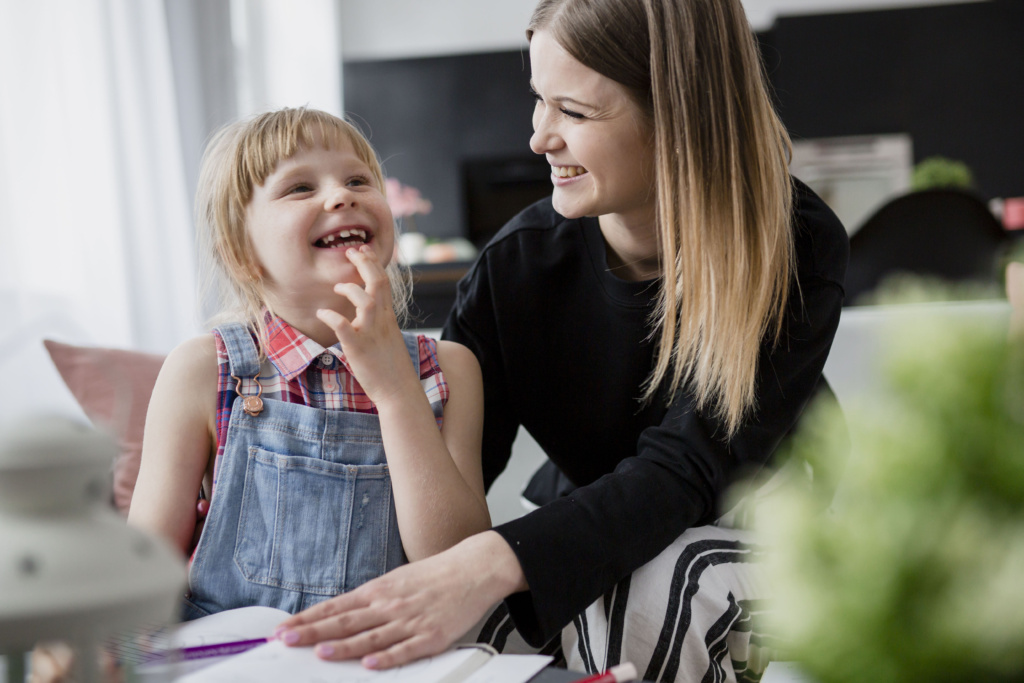
You need to hire babysitter in singapore? No, you need someone who actually gets your child. The one who flaps his hands when excited. The one who hides under the table when the vacuum cleaner roars. I’ve spent years walking alongside Singaporean mums who cry on the phone because a well-meaning neighbour said, “Oh, he’ll grow out of it.” He won’t. And finding a babysitter for special needs child Singapore isn’t about luck. It’s about knowing exactly what to ask, where to look, and which red flags to run from. Let me help you with that.
The process of identifying the right babysitter for a child with special needs cannot be done by guesswork. The parents are to seek an individual who has the appropriate disability-care experience, patience, communicative abilities, and knowledge of CPR and first aid. Questions to ask include their experience with the particular needs of your child, the ways they manage meltdowns or behavioural issues, and whether or not they can adhere to routines. Always visit references where you can, write a written care plan, and before you leave your child in a longer session, get a brief in-home trial. A reliable special-needs caregiver in Singapore ought to ensure that your child feels secure, understood, and valued.
What “Special Needs Babysitting” Really Looks Like Here
Let’s be blunt. A regular babysitter even one your cousin swears by probably has zero training in autism, ADHD, or physical disabilities. And that’s not their fault. Most general childcare courses in Singapore don’t cover sensory meltdowns, non‑verbal communication, or tube feeding.
So when you search for a nanny for autistic child Singapore, you’re not being picky. You’re being realistic. According to SG Enable, over 4,000 children under 18 are registered with the Enabling Guide for developmental needs. Yet trained respite care is still incredibly rare here. A special needs caregiver Singapore isn’t a luxury for many families, it’s the only reason a parent can keep working, or simply stay sane.
And here’s something most people don’t say out loud: you might also need care for ADHD. That’s a different beast. An ADHD babysitter Singapore has to handle impulsivity, constant motion, and the kind of emotional dysregulation that leaves regular sitters in tears. You need someone who understands that your child isn’t “naughty.” He’s wired differently.
The Fear That Keeps You Up at Night
Honestly, the hardest part isn’t finding a body to sit in your living room. It’s the dread. Will she know how to stop him from running to the door? What if he bites her? Will she call me every five minutes?
A lot of Singaporean mums especially those without parents or in‑laws nearby find this search completely overwhelming. You type “experienced caregiver for disabled child” into Google and get sponsored ads for generic nanny agencies. You call three numbers. Two never ring back. The third sends a teenager whose only qualification is “loves kids.”
The Child Guidance Clinic at IMH reports that children with special needs can require up to three times the supervision of neurotypical peers. Yet two‑thirds of parents in one local survey said they had no reliable backup care. That is a system failure not a personal gap.
What to Actually Look For (And What to Ignore)
Forget “good with kids.” That’s not enough. Here’s what actually matters when you’re vetting a trained special needs nanny Singapore:
1. Formal certification from a recognised provider
Rainbow Centre, SPD, Autism Resource Centre (ARC), or the Dyslexia Association of Singapore. Ask to see the certificate. If they don’t have one, ask for documented, year‑long hands‑on experience with your child’s specific diagnosis. “I babysat my neighbour’s kid once” doesn’t count.
2. Experience with your child’s exact challenges
Autism is not ADHD. Cerebral palsy is not global developmental delay. A best nanny for autism Singapore will know about PECS, social stories, and sensory diets. For ADHD, ask how they handle transitions and reward systems. Get specific.
3. Willingness to follow your home rules not rewrite them
This is huge. Some caregivers think they know better. You need someone who will say, “Tell me your routine. I’ll follow it exactly.” They should ask for a written guide. They should take notes.
4. Real references you can call
Not just a phone number. Call and ask: “How did they handle a meltdown? Were they on time? Did they respect your house rules?” One mum I worked with discovered a candidate had lied about her experience after two reference calls completely contradicted her CV.
5. Physical and emotional stamina
Let’s be real. Caring for an older child with mobility issues or severe autism is physically exhausting. Ask directly: “Are you comfortable lifting 25kg? Can you stay calm through twenty straight minutes of screaming?” If they hesitate, that’s your answer.
6. Valid first aid + CPR, plus condition‑specific training
Seizure management, tube feeding, choking risks whatever applies to your child. A certified special needs babysitter Singapore will already have this. If they don’t, move on.
Read More: https://tinycareapp.com/2026/04/02/babysitters-singapore-tiny-care/
Questions You’re Probably Not Asking (But Should Be)
Most parents stop at “Do you have experience?” These questions dig deeper. And they’ll tell you everything.
- “Tell me about the last time a child had a public meltdown in your care. What did you actually do?” Listen for steps. Not “I calmed them down.” But “I moved them to a quiet corner, offered a sensory toy, and waited.”
- “How do you handle toileting accidents for an older child?” A good answer shows no judgment, just practical cleanup and dignity.
- “What would you do if my child hit you?” The right answer focuses on de‑escalation and safety, never punishment or shouting.
- “Are you okay with cameras in common areas?” Most professionals expect this. If they get defensive, that’s a red flag.
Also watch for subtle but serious red flags: calling your child “difficult,” rolling their eyes at routines, or quoting a price that’s suspiciously low. Special needs nanny Singapore cost typically runs 25–45 per hour higher than standard babysitting because the skills are specialised. If someone asks for $15, ask yourself why.
How TinyCare Helps You Skip the Guesswork
You don’t have to interview twenty strangers alone, only to find out most have zero actual training. That’s exhausting and you already have enough on your plate.
TinyCare’s platform is built for Singaporean parents searching for special needs childcare services. Every caregiver on our site goes through verification – we check their certifications, references, and hands‑on experience before they’re listed. You can filter directly for ADHD babysitter Singapore, home care for special needs children Singapore, or trained special needs nanny. And you’ll see real reviews from other local families. Not generic star ratings actual comments about how they handled a meltdown or followed a feeding schedule.
You Deserve a Break. Really.
I know you feel guilty just reading that sentence, even if you’re searching for urgent lactation consultant singapore. Shouldn’t I always be the one caring for him? No. You can’t pour from an empty cup. The right babysitter for your special needs child exists someone who will see your kid the way you do. Not as a diagnosis, but as a whole, wonderful, complicated little person. Let yourself find that person. TinyCare can help you start the search without the dread. Go ahead. Take that first step.
Read More: https://tinycareapp.com/2026/03/29/confinement-nanny-cost-in-singapore/
FAQs
Q. What are good questions to ask a babysitter?
A.Ask about experience with your child’s specific needs, CPR or first-aid training, emergency response, behaviour support style, references, and comfort following a written care plan.
Q.What are 7 things you should never do while babysitting?
A.Never ignore parent instructions, give unapproved food, leave the child unsupervised, use harsh discipline, share private details, delay emergency calls, or introduce unsafe activities.
Q.How are children with special needs taken care of?
A.They are cared for through clear routines, patient communication, safety planning, sensory awareness, emotional support, and caregivers who understand their individual needs.
Q.What are 5 qualities of a good babysitter?
A .good babysitter is patient, reliable, observant, calm under pressure, and respectful of the child’s routine, communication style, and safety needs.