
10 Tips for Recovering from Postpartum Depression
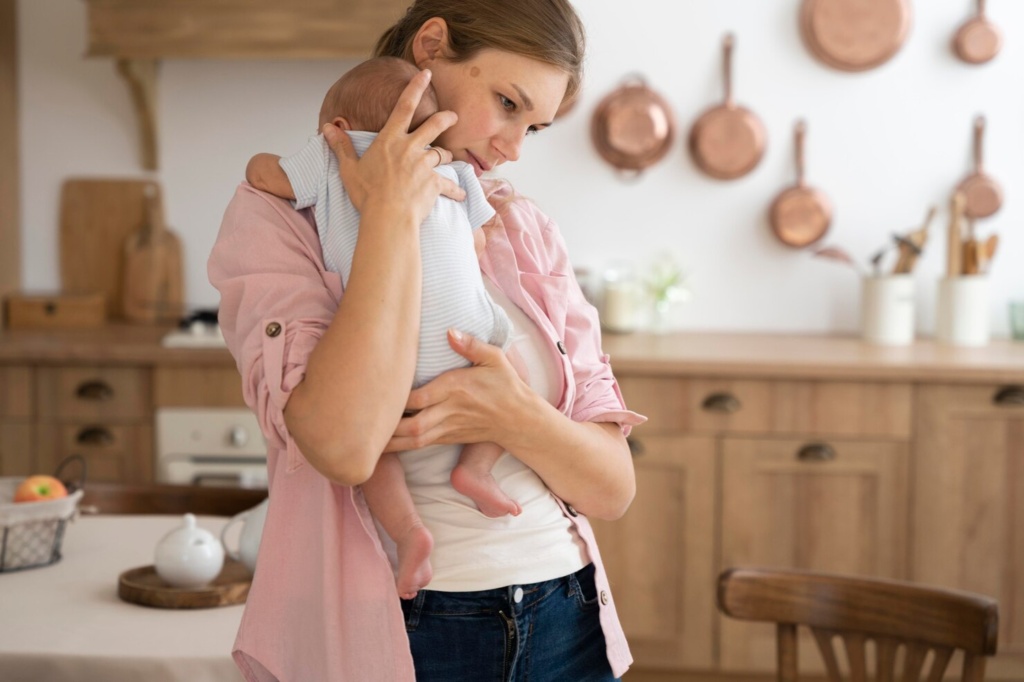
You have just been told about postpartum physiotherapy singapore for your aching body, but no one mentions what to do when your mind starts hurting too. You are three weeks postpartum, the baby is finally sleeping, and instead of resting you lie awake feeling nothing at all. Or maybe you feel everything – rage, guilt, a heaviness that will not lift. I have sat with too many Singaporean mums who whisper, “Is this normal?” The answer is complicated, but here is the truth: postpartum depression recovery tips are not about snapping out of it. They are about small, brave steps back towards yourself.
What Postpartum Depression Actually Looks Like for Singaporean Mums
Postpartum depression is not the baby blues. The blues come and go within two weeks, leaving you weepy but functional. PPD stays, and it is sneakier than you think. You might lose interest in food, in your baby, in your partner. You might feel anxious, angry, or completely hollow.
In Singapore, the stigma around mental health after childbirth is still heavy. A 2021 study by KK Women’s and Children’s Hospital found that nearly one in ten new mothers here experiences significant postpartum depression, but most never seek help because they are afraid of being judged as “weak” or “unfit.” That stops today.
Signs of postpartum depression Singapore mums should watch for include: persistent sadness lasting more than two weeks, loss of pleasure in things you used to enjoy, changes in sleep or appetite not related to the baby, overwhelming fatigue, panic attacks, or thoughts of harming yourself or the baby. If any of this sounds familiar, you are not broken. You are unwell, and there is a way out.
The Hidden Pain No One Prepares You For
Here is the part that catches so many women off guard. Postpartum depression can look like rage, not just tears. You might snap at your husband for breathing too loudly. You might feel nothing when your baby cries. And then the guilt comes, a crushing wave that tells you everyone else would handle this better.
I remember one mum telling me she was terrified to be alone with her baby because she did not “feel connected.” She thought she was a monster. But the truth is, depression lies to you. It convinces you that you are the problem. According to the Agency for Integrated Care, postpartum mental health conditions are treatable, yet over 60 percent of affected mums in Singapore never receive professional care because they wait too long, hoping it will pass on its own.
Read More: https://tinycareapp.com/2026/03/29/confinement-nanny-cost-in-singapore/
10 Tips That Helped Real Mums Recover
These are not quick fixes. They are gentle, practical steps that have pulled real Singaporean women back from the edge. Try one or two at a time.
1. Name what you are feeling out loud.
Say it to your partner, a friend, or even your reflection. “I think I have postpartum depression.” Naming it steals some of its power.
2. See your GP or a psychiatrist within the week.
This is not optional. Polyclinics and public hospitals like NUH and SGH have postpartum mental health services. Treatment may include therapy, medication, or both. Medication is safe for breastfeeding.
3. Ask for one hour of uninterrupted sleep each day.
Sleep deprivation makes everything worse. Have your partner or a family member take the baby for one solid hour while you wear an eye mask and do nothing else.
4. Move your body for five minutes outside.
Singapore’s heat is rough, but sunlight helps regulate your mood. Stand at your corridor, walk to the lift landing, or sit by a window. Five minutes counts.
5. Stop comparing to social media mums.
Those glowing breastfeeding photos are curated. You are seeing someone’s highlight reel, not their 3am panic attack. Unfollow accounts that make you feel worse.
6. Find a qualified therapist who understands maternal mental health.
Look for a psychologist or counsellor specialising in therapy for new moms Singapore. Some polyclinics offer subsidised sessions. Online counselling is also an option.
7. Let go of non-essential tasks.
The laundry can wait. The thank you cards can wait. Your recovery cannot. Lower the bar to the floor.
8. Join a support group for PPD.
Organisations like Postpartum Support International have online groups. Hearing another mum say “me too” can be profoundly healing.
9. Ask your doctor about postpartum depression treatment options beyond medication.
Cognitive behavioural therapy, support groups, and even light therapy have helped many women.
10. Celebrate the tiniest win each day.
Today you brushed your teeth? Win. You ate a proper meal? Win. You did not cry for an hour? That is progress. Write it down.
Read More: https://tinycareapp.com/2026/04/02/babysitters-singapore-tiny-care/
Things No One Tells You About Postpartum Mental Health
Recovery is not linear. You will have good days and terrible days, sometimes in the same afternoon. Do not mistake a setback for failure.
Also, postpartum anxiety help Singapore is just as important as depression help. Many mums experience intrusive thoughts frightening images of the baby getting hurt. These are a symptom, not a prophecy, and a professional can teach you how to defuse them.
Another hidden truth: your partner may also be struggling. Paternal postpartum depression is real, affecting up to 10 percent of new dads. Check in on each other without blame.
And please, ignore anyone who tells you to “just be positive.” Depression is not a lack of gratitude. It is an illness, and you deserve the same compassion as someone with a broken leg.
How TinyCare Supports Your Emotional Recovery
TinyCare is not a mental health provider, but we understand that healing is physical and emotional. When you are struggling to get out of bed, the last thing you need is to also worry about finding a reliable confinement nanny or lactation consultant. That is where we come in.
You can use TinyCare to arrange trusted postpartum physiotherapy singapore for your aching body while you focus on your mind. Our verified caregivers and therapists are vetted by real Singaporean mums, so you do not waste energy interviewing strangers. Booking a qualified professional through TinyCare gives you back the mental bandwidth to prioritise your own recovery.
You Are Allowed to Ask for Help
The hardest part of postpartum depression is not the symptoms themselves. It is the shame that keeps you silent. But you did nothing wrong, and you do not have to earn the right to feel better. You deserve treatment, rest, and compassion exactly as you are today.
If you recognise yourself in these words, please call your doctor or a helpline like the Singapore Mental Health Helpline at 6389 2222. And when you need practical support at home, TinyCare is here to connect you with people who will hold space for your healing. One small step at a time, you will find your way back.
FAQs
Q: What are common signs of postpartum depression?
A: Ongoing sadness, rage, numbness, anxiety, loss of interest, appetite changes, panic, or scary thoughts that last beyond two weeks may be signs to seek help.
Q: Is postpartum depression treatable?
A: Yes. Therapy, medical support, rest, medication when needed, and practical home help can make recovery possible and safer for both mother and baby.
Q: When should a new mum ask for professional help?
A: Ask for help if low mood, fear, anger, guilt, or disconnection lasts more than two weeks, or if daily care starts feeling impossible.
Q: Can postpartum anxiety happen with depression?
A: Yes. Many mums experience racing thoughts, panic, or intrusive fears along with depression, and these symptoms deserve proper support, not silence.
Q: How can TinyCare support postpartum recovery?
A: TinyCare can help families find practical home support such as caregivers, lactation help, or postpartum physiotherapy, so mums have more space to focus on emotional healing.